Chia seeds vs flax seeds is one of the most common seed comparisons in nutrition, and for good reason. Both are small, packed with fibre and plant-based omega-3s, and have earned a permanent spot in health-focused breakfasts.
They are not interchangeable, though. One needs to be ground to deliver its full benefit; the other doesn't, and that single difference changes how each fits into a morning routine. Here is how they actually compare.
Chia seeds vs flax seeds: the basics
Chia seeds come from Salvia hispanica, a plant native to Mexico and Guatemala. Flax seeds come from the flax plant, Linum usitatissimum, one of the oldest cultivated crops, historically grown for both its seeds and its fiber.
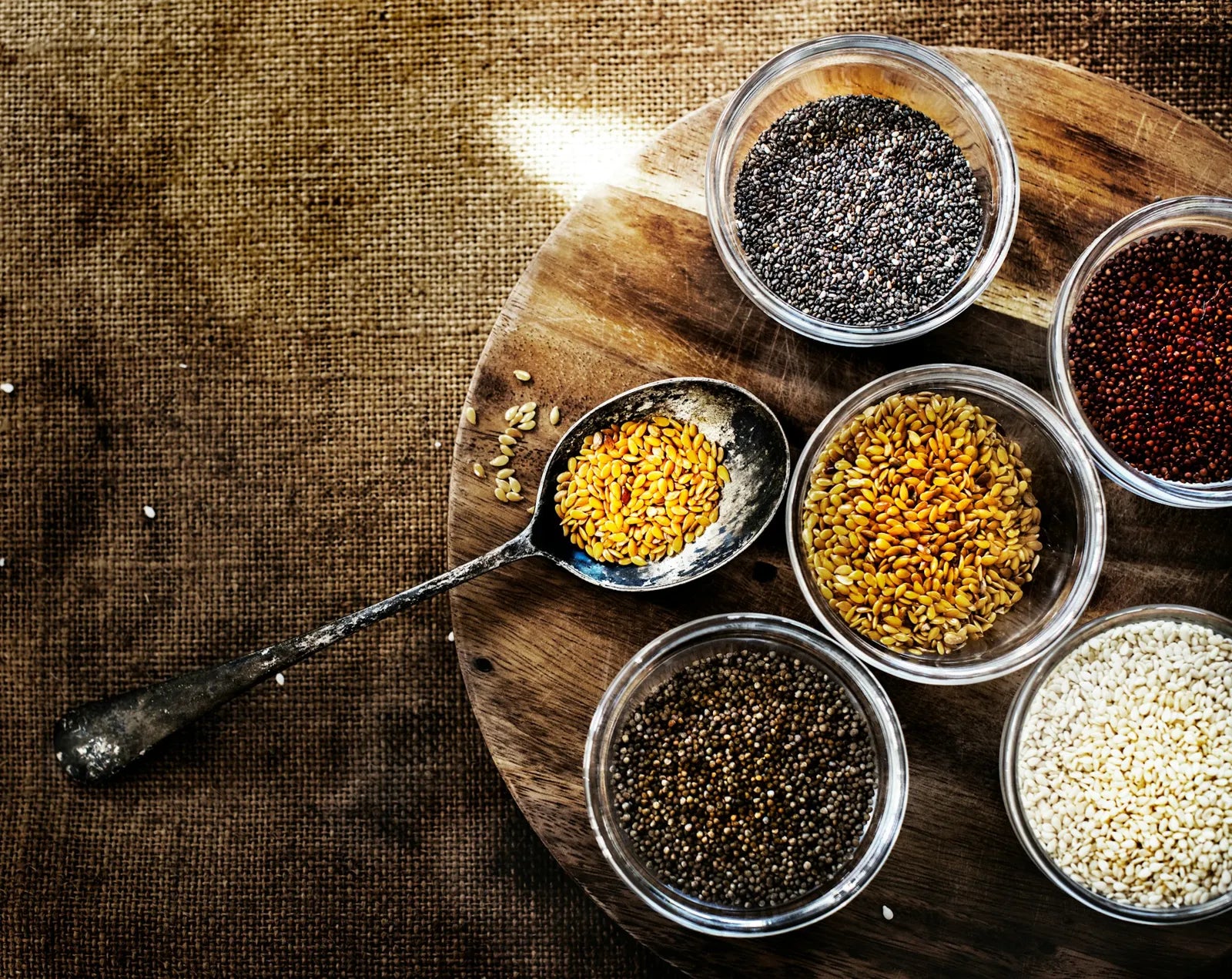
Visually, chia seeds are smaller, oval, and range from black to white with speckled patterns. Flax seeds are slightly larger, with a smooth, shiny brown or golden-yellow coat depending on the variety.
The most functional difference between the two comes down to the seed coat. Chia's outer layer breaks down easily in liquid, releasing its nutrients on contact. Flax's outer shell is much tougher and often passes through digestion largely intact when eaten whole.
Nutritional face-off
Chia seeds vs flax seeds starts with fiber and fat. Healthline's nutrition overview of chia seeds describes them as containing large amounts of fiber and omega-3 fatty acids, along with protein and several minerals. Flax seeds carry a similar profile, built around fiber, omega-3 ALA, and a class of plant compounds called lignans.
| Nutrient |
Chia seeds (100 g) |
Ground flaxseed (100 g) |
| Calories |
486 |
534 |
| Fiber |
34.4 grams |
27.3 grams |
| Omega-3 (ALA) |
About 17.8 grams |
About 22.8 grams |
| Needs grinding |
No |
Yes, for full nutrient absorption |
| Lignans |
Low |
High |
Gram for gram, the two seeds are close in fibre and closer still in omega-3 content, with flax edging ahead on both once ground. In practice, though, nobody measures out 100 grams of either seed at breakfast. A typical serving is about 28 grams of whole chia seeds (roughly 2 tablespoons) compared with about 7 grams of ground flaxseed (about 1 tablespoon), which is why a bowl of chia pudding and a spoonful of ground flax feel so different in daily use even though the seeds are nutritionally comparable at equal weight.
Protein tells a similar story. Both seeds contribute a moderate amount per serving, and neither is meant to be a primary protein source on its own. Chia pulls ahead in mineral content, particularly calcium, phosphorus, and magnesium, all delivered without any need for processing beforehand.
Omega-3 content is close between the two by weight, though exact figures vary depending on the source and growing conditions of the seeds. What matters more in practice is that flax delivers its omega-3 content only after it's ground, while chia releases it as soon as it is soaked.
Texture and prep: whole versus ground
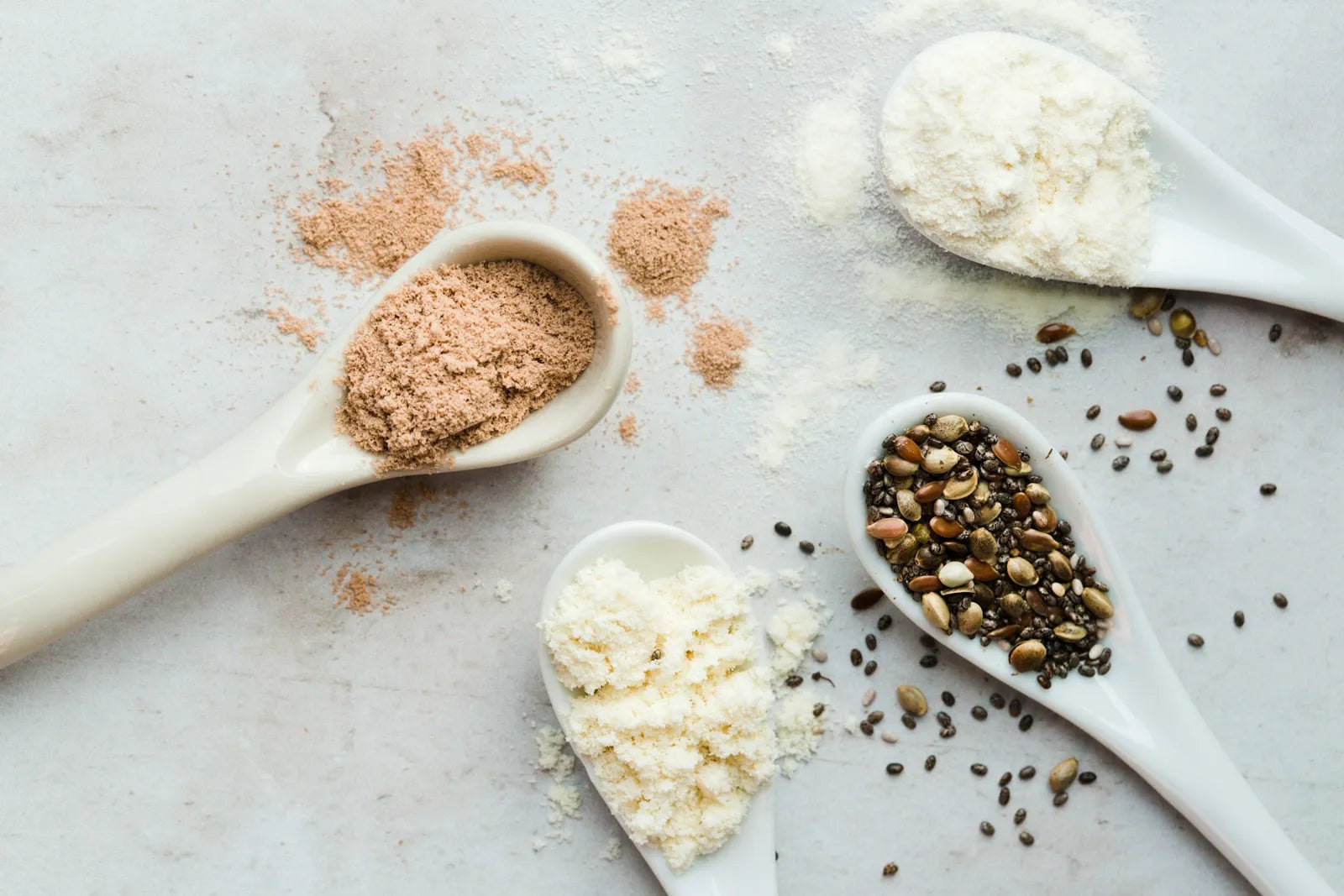
Chia seeds vs. flax seeds is the most practical difference here. This is the single biggest difference between the two seeds. Chia seeds gel on contact with liquid and release their nutrients whether eaten whole, soaked, or ground.
Flax seeds behave differently. According to guidance on flaxseed preparation from the Mayo Clinic, whole flax seeds can pass through the digestive tract largely undigested, which means most of the fiber and omega-3 benefit is lost unless the seed is ground first.
That single requirement changes how each seed fits into a routine. Chia can go straight into a jar of milk overnight. Flax needs to be milled, either freshly at home or purchased pre-ground, and used relatively quickly since ground flax loses freshness faster than the whole seed.
Digestibility and gut comfort
Because chia forms a gel rather than relying on grinding, it tends to be gentler for people just starting to add more fiber to their diet. The gel slows digestion gradually rather than adding coarse, ungrounded material to the gut.
Ground flaxseed is also well tolerated by most people, but it delivers its fiber more directly and in a slightly different form, including a higher share of lignans, plant compounds linked to hormonal and antioxidant benefits that chia does not provide in meaningful amounts.
Freshness also plays a role in the flax experience. Once ground, flaxseed is more exposed to air and can turn rancid faster than the whole seed, which is why it is often recommended to store it in the refrigerator and grind small batches rather than buying large amounts pre-milled.
- Chia: gels automatically, no prep required beyond soaking
- Flax: must be ground for nutrient access, best used fresh
- Both: should be introduced gradually alongside enough water
Prefer the simpler seed? See how a ready-to-soak overnight chia mix skips the grinding question entirely.
Best breakfast use cases for each
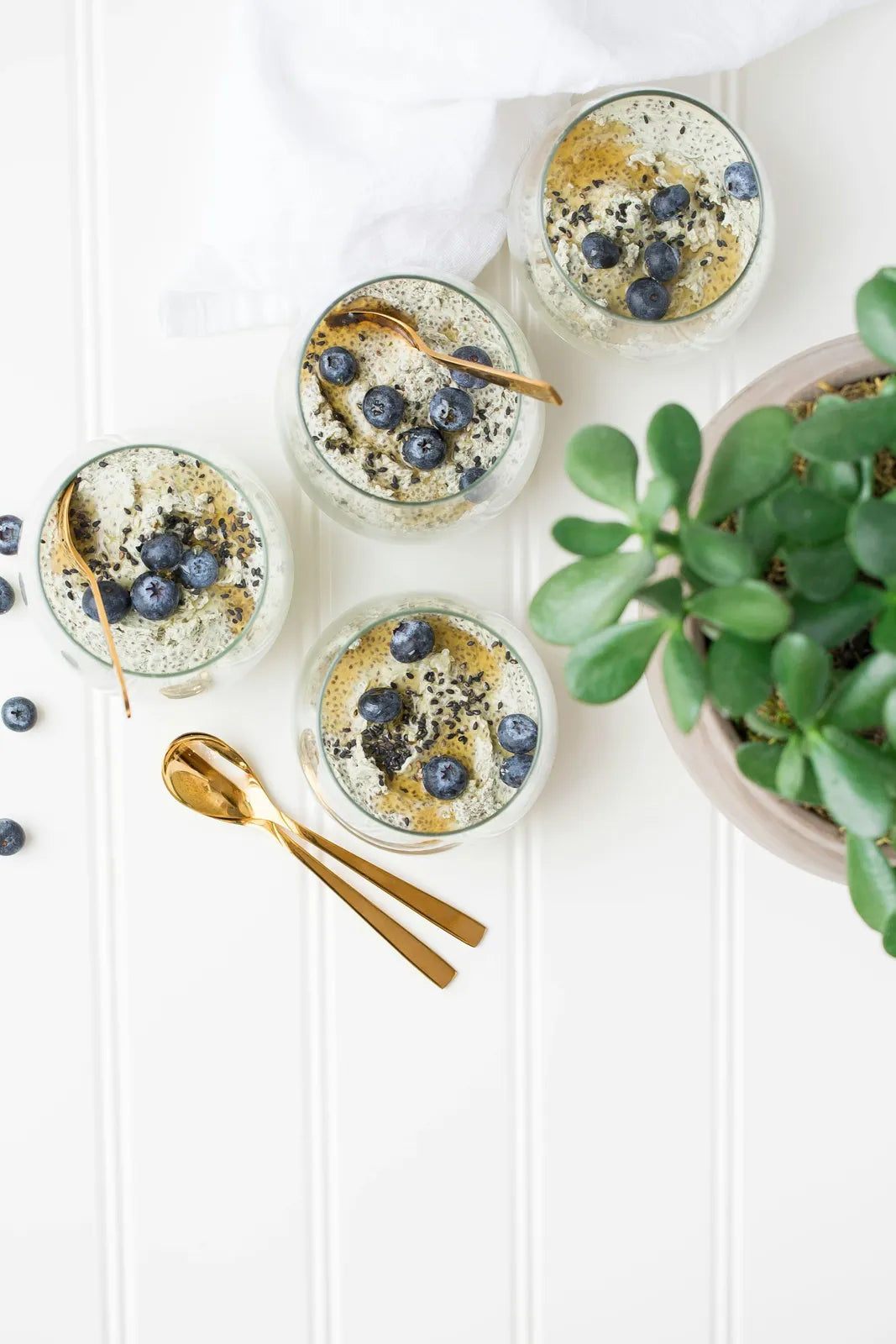
Chia seeds are the more practical pick for overnight pudding, since their gel forms the base of the dish without extra prep. They also blend seamlessly into smoothies without needing a grinder.
Flax seeds work well stirred into oatmeal, sprinkled over yogurt, or blended into a smoothie, as long as you use the ground form. Ground flax also adds a mild, nutty flavor that some people prefer over chia's more neutral taste.
Baked goods are another area where the two seeds diverge. Ground flax is a common egg substitute in vegan baking, since it forms a binding gel similar to an egg when mixed with water. Chia can serve the same function, though its gel is slightly looser and better suited to puddings and drinks than to structured baked goods.
Chia seeds vs flax seeds: who wins in the end?
Chia seeds vs flax seeds is not a question with one universal winner. Chia offers more fibre per serving and requires no grinding, making it the simpler, more convenient option for a daily overnight pudding. Flax has higher lignan content and a longer culinary history, especially for anyone who prefers milling their own seeds fresh.
For a closer look at why chia specifically fits a low-effort breakfast routine, the why chia page breaks down the seed's core nutritional advantages, and the chia hacks guide offers a few ways to use it beyond a basic pudding.
FAQ
Chia seeds vs flax seeds: which has more fiber?
Chia seeds vs flax seeds usually comes down to fibre content. Chia generally provides more per serving, with roughly 9.8 grams per ounce compared to about 2 grams per tablespoon of ground flaxseed, though the servings aren't directly comparable. Chia's fiber is also available immediately, since it needs no grinding, while flax must be milled to release its full fiber content and benefits.
Do you need to grind flax seeds but not chia seeds?
Yes. Flax seeds have a tough outer shell that can pass through digestion largely intact when eaten whole, so grinding is recommended to access the fiber, omega-3s, and lignans stored safely inside each seed's shell. Chia seeds have a much softer coat that breaks down on contact with liquid, forming a gel that releases its nutrients fully without any grinding, milling, or blending required beforehand.
Which is better for breakfast, chia or flax seeds?
Both work well, but for different reasons entirely. Chia is more convenient for overnight pudding since it needs no grinding and forms its own gel base right in the jar overnight. Flax needs to be ground and used relatively fresh, but it offers a higher lignan content and a nutty flavor many people genuinely prefer stirred into oatmeal, yogurt, or a morning smoothie.